
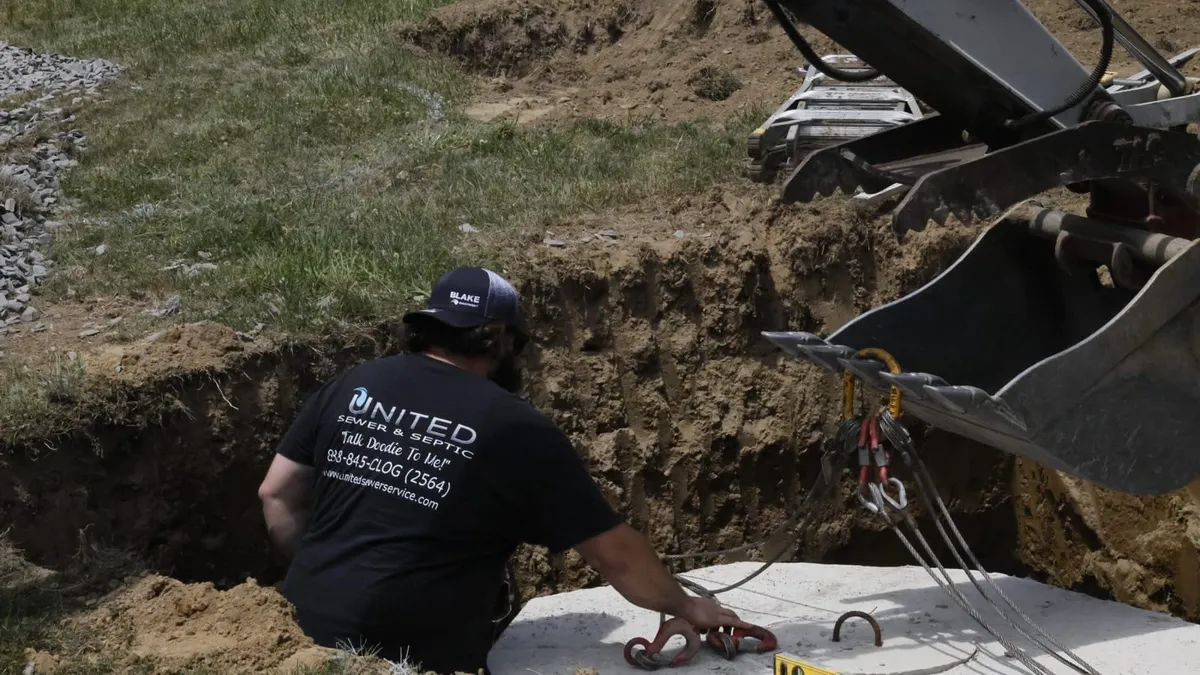
Planning Septic Services Before Problems Start
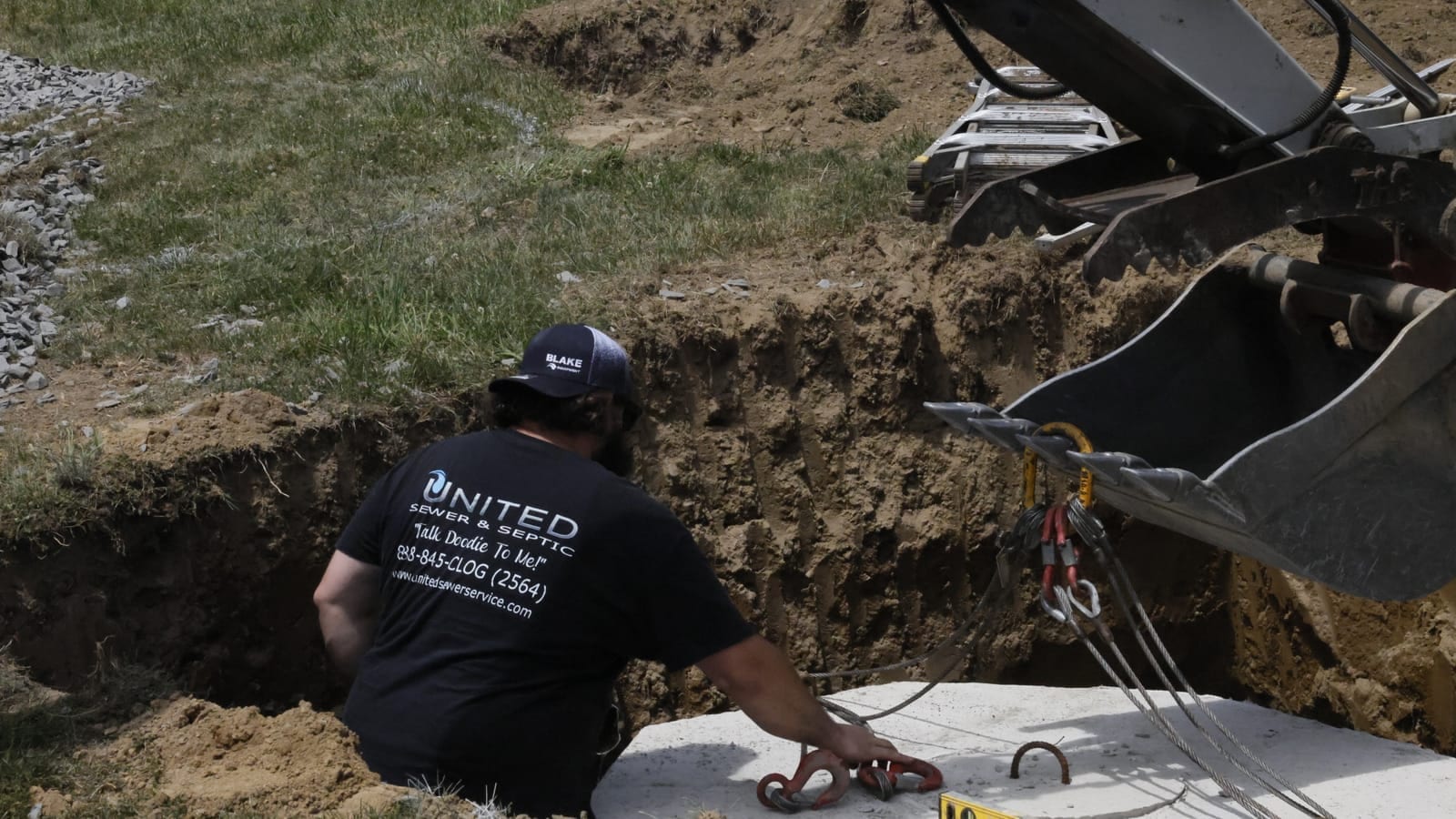
Septic problems often become urgent when routine signs are overlooked. A thoughtful plan for septic services can help property owners respond to drainage changes, arrange inspections, and understand when emergency help may be appropriate.
What Septic Services May Involve
Septic work can address several different needs, so the first step is identifying the concern. Septic inspections, pumping-related needs, drainage symptoms, and emergency situations may require different types of evaluation or service. Explaining what you have noticed can help a technician understand the situation before arriving.
An inspection may be useful when you need more information about the condition of a septic system. Property owners may request one when investigating a concern or seeking details about a system before a property transaction. An inspection is not automatically the same as pumping, so it is helpful to specify the service you are requesting.
When contacting United Sewer & Septic, consider sharing:
- Which fixtures or areas are affected
- Whether the problem is new or recurring
- Any backups, odors, or unusually slow drainage
- Whether the issue affects one drain or several
- Whether the request is related to an inspection or an urgent problem
This information does not replace an evaluation, but it can make the initial conversation more useful. If the issue is affecting multiple drains or wastewater is backing up, avoid delaying contact while attempting repeated temporary fixes.
Signs That Need Prompt Attention
A septic concern may not begin with a complete backup. Slow drainage in several parts of a property, unusual gurgling, wastewater odors, or changes around the system can all be reasons to seek professional guidance. One isolated slow drain may have a localized cause, while several affected fixtures can point to a broader drainage or sewer concern.
The timing of a problem also matters. If a symptom returns after a temporary improvement, record when it happens and which fixtures are involved. This pattern may help distinguish a single fixture issue from a condition affecting the wider system.
Seasonal preparation can also be practical. Before periods when a property will be occupied more heavily, or before winter access becomes more difficult, review any unresolved drainage symptoms and consider whether an inspection is needed. Planning ahead does not guarantee that an emergency will be avoided, but it can reduce the chance of waiting until the situation is disruptive.
Residents seeking area-specific information can review service details for Orange County, NY, Dutchess County, NY, Sullivan County, NY, or Rockland County, NY. Coverage also includes Sussex County, NJ, Passaic County, NJ, Bergen County, NJ, and Pike County, PA. The available service area makes it important to confirm the property location when arranging help.
Choosing Between Inspection and Emergency Help
A septic inspection is generally an information-gathering request, while emergency service is intended for urgent conditions that cannot reasonably wait. If wastewater is backing up, a major drainage failure is affecting the property, or the situation is creating immediate sanitation concerns, call promptly and explain that the matter is urgent.
For less immediate concerns, gather relevant details before scheduling. Note whether the property has experienced previous service, whether symptoms occur during specific uses, and whether more than one drain is involved. You can also review the Frequently Asked Questions. for general guidance before calling.
Some situations may involve both septic and sewer components. If the property connects to a municipal sewer or has a private lateral, the appropriate service may differ from a septic inspection. Sewer camera inspection, drain cleaning, excavation, sewer tie-ins, and lateral replacements are among the services that may be relevant when the problem is located in a buried line rather than the septic system itself.
Preparing for a Service Visit
Clear communication is one of the simplest ways to prepare. Make sure the technician receives the property address, a description of the symptoms, and any timing information that may help locate the cause. If the request concerns a commercial property, mention that when calling because commercial service needs may differ from residential concerns.
Access can also matter. Keep known access points available when possible, and tell the technician about areas that may be difficult to reach. Do not open or enter tanks, excavate buried lines, or attempt work on sewer connections yourself.
These tasks require appropriate assessment and equipment.
For businesses, grease trap pumping may be part of maintaining wastewater infrastructure, while hydro jetting or camera inspection may be considered when a line has persistent flow problems. The right approach depends on the observed condition and the location of the blockage or restriction, so describe the recurring symptoms rather than assuming a particular method is required.
Information about our company is available for property owners who want to understand the business before requesting service. United Sewer & Septic can be reached at (845) 386-3861 or [email protected]. Emergency Services are available 24/7, which gives property owners a direct option when a septic or sewer issue requires immediate attention.
Common Questions About Septic Service
Should I Request an Inspection or Pumping?
That depends on the reason for the visit. An inspection is intended to evaluate and provide information about the system, while pumping addresses accumulated material in a tank. Explain the symptoms or purpose of the request so the appropriate service can be discussed.
What Should I Do During a Septic Emergency?
Limit activities that add wastewater to the system and call for guidance as soon as possible. Describe any backup, odor, or drainage change clearly, and mention whether more than one fixture is affected. Avoid entering tanks or attempting excavation while waiting for professional assistance.
